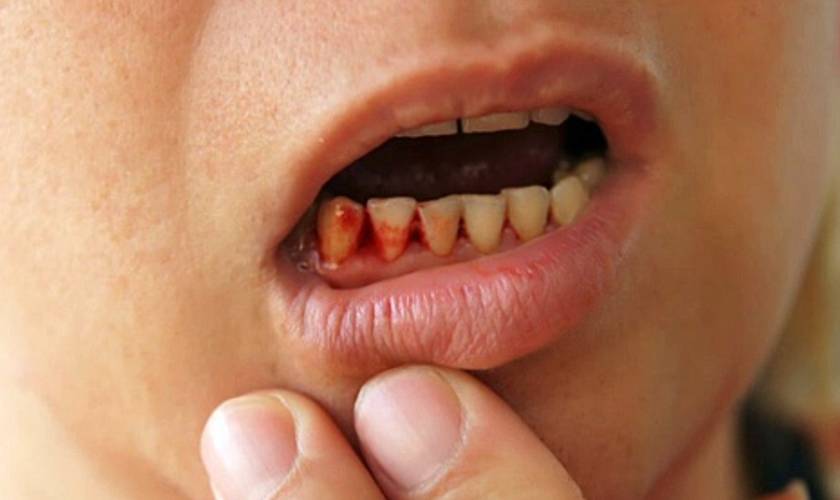
Once gum disease sets in, the toxins produced by the bacteria damage the teeth's connective tissue and bone, effectively destroying them and fostering tooth loss.
The Signs of Gum Disease
As a gum infection progresses, the bone tends to recede; the gums may or may not recede. In some cases, the root of the tooth becomes exposed, occasionally causing tooth sensitivity. Furthermore, pus may be produced, and pockets may form between the gum and tooth.
Since bone recession is not visible to the naked eye, and if left undetected, may contribute to tooth loss, it is important to visit your dentist for professional examinations and dental cleanings to identify gum disease.
Here are some common signs of gum disease you and your dentist can look for:
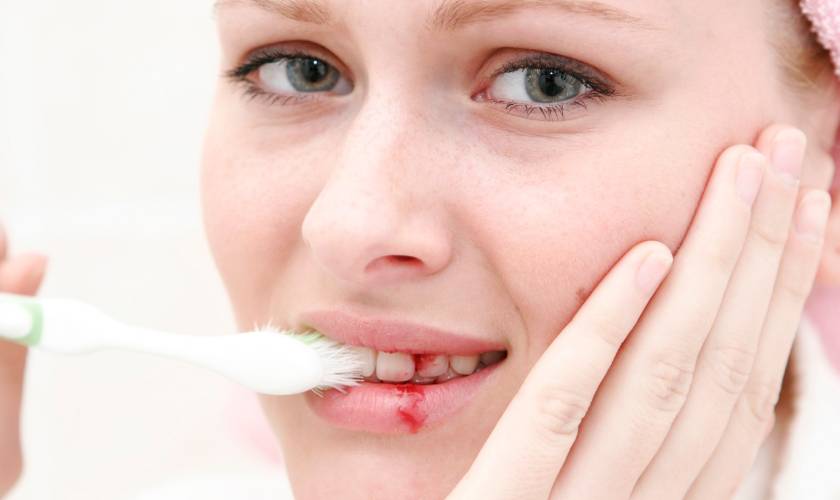
- Bleeding gums during tooth brushing or otherwise.
- Sensitive, red or swollen gums.
- Bad breath
- Teeth that are loose or appear to have shifted.

Causes of Gum Disease
There are a number of causes of gum disease, each of which can be corrected and controlled. The causes of gum disease include:
Improper Dental Hygiene: If plaque is not removed through daily dental hygiene practices and regular professional dental cleanings, bacteria may set in and cause gingivitis, which may eventually result in gum disease.
Organic Changes in the Mouth: Changes that occur in metabolism and hormone levels during pregnancy, puberty and menopause may affect the organic balance in the mouth, and make teeth more susceptible to gum disease.

Medical Conditions: Serious conditions that affect the body's ability to produce sugar (such as diabetes or kidney disease) may contribute to periodontal disease. Furthermore, the Center for Disease Control has found an association between certain illnesses (including diabetes, stroke and heart attack) and gum disease. Finally, medications used to treat medical conditions may produce the overgrowth of gums. Overgrown gums are more susceptible to bacteria, and therefore gum disease.
Saliva Flow Inhibitors: Certain medications that produce oral side effects or dry mouth syndrome (xerostomia) may contribute to a reduction of protective saliva flow, and potentially to gum disease. Seniors may be more susceptible to dry mouth syndrome because of the natural reduction of salivary flow associated with age.
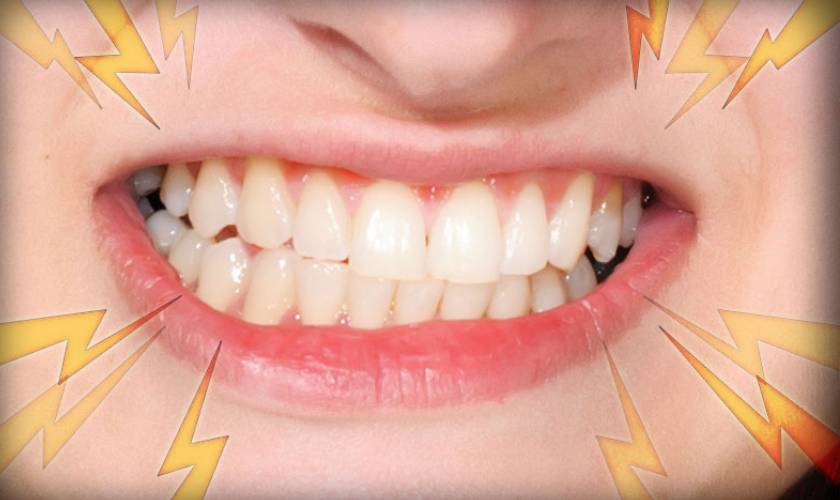
Poor Functional Habits: Teeth grinding or clenching may impair the surrounding tissue and is a possible contributor to gum disease