There are several potential complications that may occur as a result of a tooth extraction. These complications may include:
Accidental damage to adjacent teeth.
Incomplete extraction, in which a tooth root remains in the jaw. Your dentist usually removes the root to prevent infection, but sometimes it's less risky to leave in a small root tip.
Alignment problems associated with chewing ability or jaw joint function. Misaligned teeth may cause pain, teeth grinding (bruxism) and cracking or splintering of teeth withstanding the force of the jaw. Additionally, misaligned teeth can trap food and be harder to clean, thereby increasing the risk for tooth decay and gum disease.
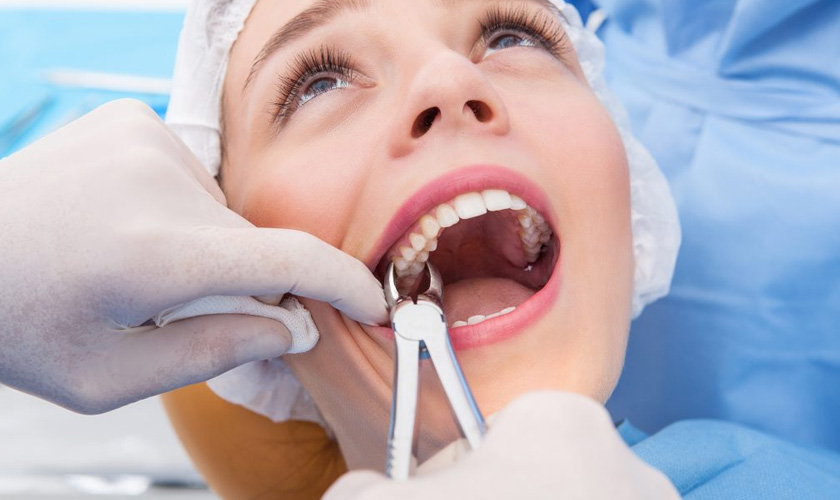
Fractured jaw (most often occurring in older people with osteoporosis of the jaw) caused by the pressure put on the jaw during extraction.
If an upper tooth was extracted, a hole may have been made into one of the sinus areas. Normally, it will heal quickly on its own; but if it doesn't, you may need to return to your dentist.

Infection, while rare, does occasionally occur. Your dentist may prescribe antibiotics before and after the extraction if determined you may be at risk of infection.
Nerve injury — while primarily an issue with extractions of lower wisdom teeth — can occur with the removal of any tooth if the nerve is near the extraction site. Typically caused by damage from a surgical drill, nerve injuries are rare and usually temporary.
Bisphosphonates — drugs used to prevent/treat osteoporosis, multiple myeloma, bone cancer and bone metastasis from other cancers — may put patients who undergo tooth extractions at risk for developing osteonecrosis of the jaw (a rotting of the jaw bones). It is thought that bisphosphonates attack the teeth and bone, and may prevent cells that break down bone from working. If you are taking an osteoporosis medication such as Fosamax, try to avoid extraction whenever possible, rather than opt for removal of the tooth/teeth.
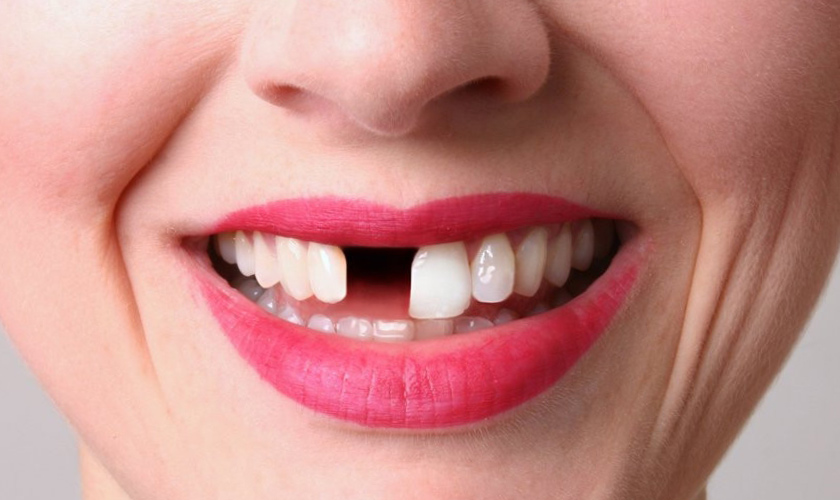
Tooth extractions — particularly of front teeth — may negatively affect your appearance
Without an opposing tooth, the tooth above or below the extraction socket will, over time, move out of its socket, likely exposing its roots and becoming sensitive to temperature changes. Particularly when several teeth have been extracted, another possible long-term problem is thinning of the jawbone, which then becomes easier to break.
Tooth extractions — particularly of front teeth — may negatively affect your appearance.
Unless it is a wisdom tooth, your dentist likely will advise replacing any extracted tooth to avoid possible complications, such as shifting of the teeth, gum recession and bone loss. Dental implants are the ideal tooth replacement; dental bridges and dentures are other options.