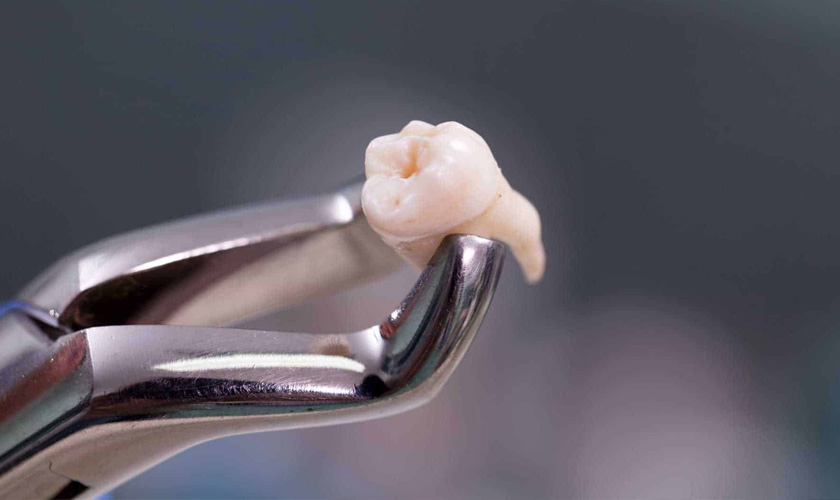
Reason for tooth extraction
There are several reasons for extracting a tooth. These include:
Severe Tooth Damage/Trauma: Some teeth have such extensive decay and damage (broken or cracked) that repair is not possible. For example, teeth affected by advanced gum (periodontal) disease may need to be pulled. As gum disease worsens, the tooth — supported by less surrounding bone — often loosens to such an extent that tooth extraction is the only solution.
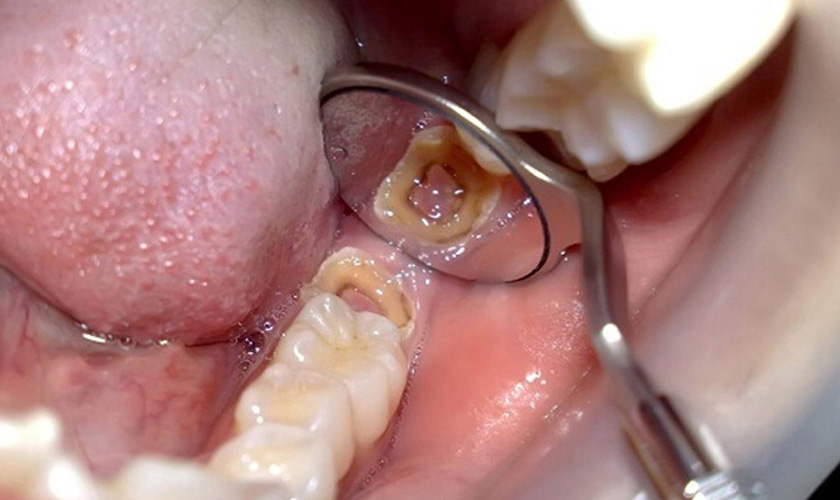
Malpositioned/Nonfunctioning Teeth: To avoid possible complications that may result in an eventual, negative impact on oral health, your dentist may recommend removing teeth that are malaligned and/or essentially useless (teeth that have no opposing teeth to bite against).
Orthodontic Treatment: Orthodontic treatment, such as braces, may require tooth extraction to make needed space for improved teeth alignment.
Extra Teeth: Also referred to as supernumerary teeth, extra teeth may block other teeth from erupting.
Radiation: Head and neck radiation therapy may require the extraction of teeth in the field of radiation in order to help avoid possible complications, such as infection.

Chemotherapy: Chemotherapy weakens the immune system, increasing the risk of tooth infections, heightening the risk of extraction.
Organ Transplant: Immunosuppressive medications prescribed after organ transplantation can increase the likelihood of tooth infection. As such, some teeth require removal prior to an organ transplant.

Types of tooth extractions
There are two types of tooth extractions:
Simple Extractions: These are performed on teeth that are visible in the mouth. General dentists commonly do simple extractions, and most are usually done under a local anesthetic, with or without anti-anxiety medications or sedation.

There are two types of tooth extractions
Surgical Extractions: These involve teeth that cannot easily be seen or reached in the mouth, either because they have broken off at the gum line or they have not fully erupted. Performed by dentists or oral surgeons, surgical extractions require some type of surgical procedure, such as bone removal, removing and/or lifting and folding back all or part of the gum tissue to expose the tooth, or breaking the tooth into pieces (called tooth sectioning). Surgical extractions can be done with local anesthesia and/or conscious sedation. Patients with special medical conditions and young children may receive general anesthesia.